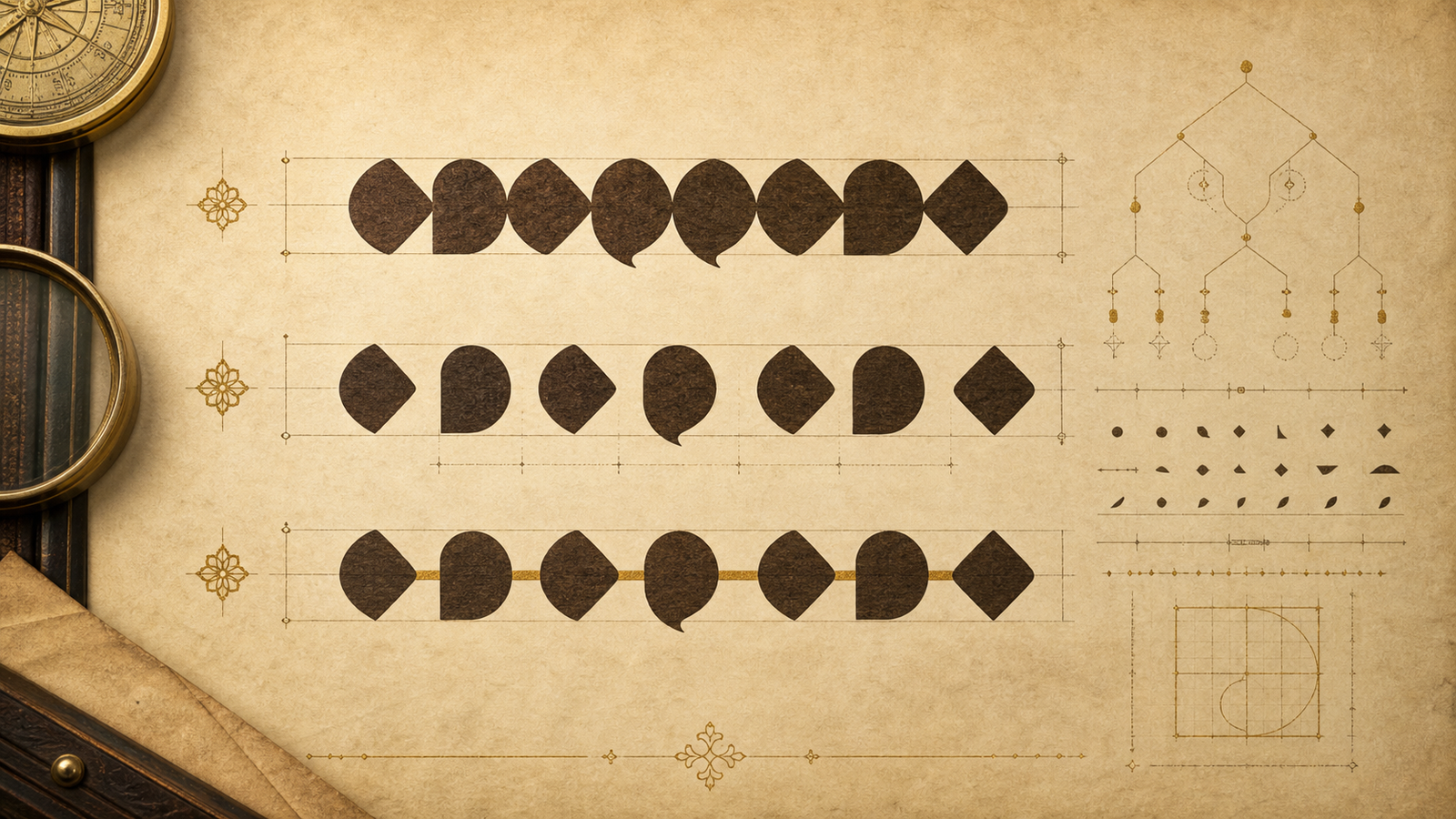
Which form is correct in writing: لەسەر or لە سەر, بەسەر or بە سەر, کردبون or کرد بون, تێ گەیشت or تێگەیشت, or compound forms such as شتومەک, باش و خراپ, and بەژنوباڵا?
Sabir Zhakaw
I begin by drawing attention to the notion of a ‘personal opinion’: an opinion tied only to a place and a few individuals, with no scientific framework or standard behind it and no adherence to one. Even if an opinion originates with an individual, however, when it rests on science and a scientific framework it is no longer merely personal. It passes beyond the individual and becomes the position represented by tens or hundreds of specialists, books, and scholarly publications around the world.
According to the science of language and modern linguistics, it is clear that orthography is a matter of convention and agreement. Yet, under the conventional orthography of the Kurdish Academy of Information and present-day academies, and without recourse to a scientific framework grounded in morphology, lexicology, or the morphological processes, dimensions, and structures of Kurdish, such questions are presented as matters of ‘must’ and ‘must not’: one must write a form in one way and must not write it another way. We need to understand that ‘must’ and ‘must not’ have no place or scientific support in any domain of linguistics. Orthography is conventional, and an author, or institutions that have agreed on a written form, may use that form. The rest belongs to the editor and the process of editing, which reviews the orthography of texts and articles.
It is better to view Kurdish and its written condition from an entirely new and scientific angle. The prescription that ‘you must write it this way and must not write it that way’ does not belong to the present; it belongs to the classical and older Kurdish orthography and grammar of eighty years ago and does not accord with contemporary Kurdish linguistics. What is clear is that all these written forms fall within ‘context’. Kurdish actively follows context and sentence structure. The context and structure of the sentence determine how a word is written; whichever form is used, readers quickly understand the writer’s intention from that context and structure. We can now examine these written forms and the reasons for their appearance very briefly.
According to linguistics and Kurdish morphology, some of these phenomena fall within reduplication, where a meaningful base appears with a meaningless counterpart, as in دار و مار, چاک و ماک, کتێب و متێب, and دور و مور. Under Kurdish morphosyntax, such forms may be written as چاک و ماک, چاکوماک, چاکوماک, چاکو ماک, or چاک وماک. Context, linguistic context, co-text, and, more importantly, verbal context allow these and similar Kurdish morphological and lexicological phenomena to be interpreted, revealing which form is intended and with what meaning. Regardless of the written form, readers understand the intended word from the sentence context.
The same applies within collocation, where we encounter non-lexical compound-like forms such as مار و مێو and مێش و مەگەز. These may cause difficulty for someone unfamiliar with Kurdish, but a person with some knowledge of the language, or whose first and primary language is Kurdish, understands what is meant by مار و مێو, مارومێو, مارو مێو, or مار ومێو. Whatever conventional spelling a user selects, it makes no semantic difference. Pragmatics shows that the speaker’s purpose in these variant written forms is recovered from sentence and speech context. The speaker’s and user’s intention within semantic, sentimental, lexical-imagistic, and morphological domains remains one and the same. At this level, context plays the most active role.
Another active domain is blending. Forms such as شت و مەک, شتومەک, شتومەک, شتو مەک, and شت ومەک occur in several conventional orthographic and morphosyntactic forms. In the morphological structure of Kurdish, they involve the elision or disappearance of the linking morpheme و within lexicology and morphology, leaving the form شمەک with the same meaning.
We also know that, at the syntactic and inflectional levels, and within the language’s joining and non-joining patterns, writing together and using a half-space become active, especially because Kurdish is a polymorphemic and agglutinative language. This enters the domain of the compound word. A synonymous compound such as بەژن و باڵا, بەژنوباڵا, بەژنوباڵا, بەژنو باڵا, or بەژن وباڵا may occur in all its conventional spellings, constructed with the linking morpheme و. Both morphemic components share one meaning and purpose. The second pattern resembles reduplication with a meaningful base and a meaningless base joined by و, as in دار و مار. The duplifix domain is also present, in which a reduplicative affix plays an active role.
There are likewise reduplicative compounds that may be formed without an overt linking particle or morpheme, such as شەقشەق, یەکیەک, دودو, and وردورد. These examples show, according to modern linguistics, that Kurdish operates actively at the level of context and follows polymorphemic and morphosyntactic processes. There is no exceptionally strong or profound scientific rule that proves which of the following is correct and which is wrong: بەژنوباڵا, بەژنوباڵا, بەژن و باڵا, بەژنو باڵا, بەژن وباڵا; بەسەر or بە سەر; تێگەیشتم, تێ گەیشتم, or تێگەیشتم; کردبوم or کرد بوم; باشبون, باش بون, or باشبون. Context actively shows which conventional spelling an individual uses. Explanations based on conjugation, the appearance of a pronoun, or the appearance of a clitic provide only an elementary orthographic framework and are not supported by the central scientific domains of morphology.
Sabir Zhakaw
زارگە · گفتوگۆ
لێدوانەکان٠
٠ لێدوان · ٠ وەڵام
دەسەڵاتەکانی لێدوانەکانت پشکنراون…
هێشتا لێدوان نییە — یەکەم کەس بە کە بۆچوونەکەت بنووسیت.