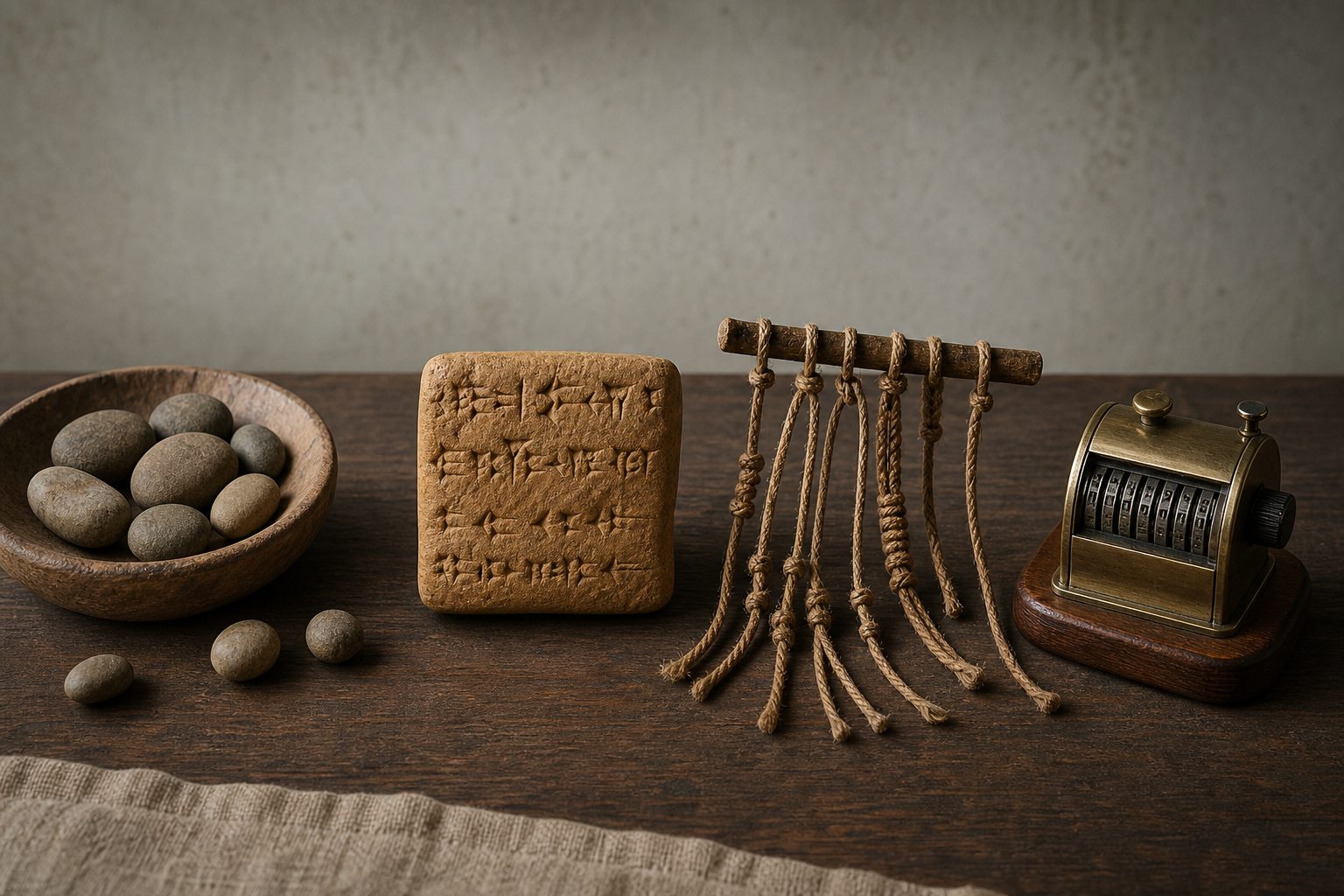
This subject has held a particularly important place in language and human life. From the beginning of civilized life and the expansion of human relations, particularly economic and commercial relations, people needed an instrument for organizing and collecting their products and therefore devised numbers.
“Numbers” became extremely widespread. Yet among the ancient Iranian languages they have remained largely intact and have changed relatively little. This proximity and continuity have often produced disputes over whether a given numeral is Kurdish or Persian.
Because individuals may lack expertise in a language, words are mistakenly and unscientifically attributed either to another language or to their own. Numerals, however, are shared among the Iranian languages. Through phonetic, phonological, and morphological processes, they have undergone elision, truncation, and phonemic and morphemic assimilation, and are now used as fully shared forms.
In this way they passed from the ancient languages into these languages as inheritance and transmission, eventually reaching the present form of our language:
From Old Iranian and Avestan to Parthian and Pahlavi, and from those to Dari, Persian, and modern Kurdish:
One
(ēvak/ yak/ēw/ aēva/ aiva/ yek)
Two
(ō/ dō/ dō/ dva/ duva/ dû/ dudu)
This word spread throughout the Indo-European languages, appearing as /two/ in English, /twee/ in Afrikaans, /to/ in Danish, /Երկու/ in Armenian, /deux/ in French, /Δύο/ in Greek, /due/ in Italian, /dos/ in Spanish, and in forms found across many other languages.
Three
(sê/ hrē/ sē/ çi/θri/ sê/ sêsê)
From its Avestan base (θri), this numeral passed into Greek, French, and English, and through the pronunciation /three/ entered other languages.
Four
(çaθwar/ çafār/ çahār/ çahār/ çiwar/ çar)
Five
(panća/ panj/ panj/ panj/ pinc/ pêncî)
Six
(xšvaš/ šaš/ šaš/ şeş)
Seven
(hapth/ haft/ haft/ heft/ ħewit)
From ancient times, this number has repeatedly been accorded sacred significance in human life, particularly in religions: the seven days of the week, the seven levels of heaven, the seventh day after a child’s birth, the seventh day after a person’s death, the Haft-Sin table, and so forth.
Eight
(ašta/ hašt/ hašt/ heşit)
Nine
(nava/ nah/ nah/ no)
From the Avestan word /nana/, this numeral entered Greek and English and spread into other languages.
Ten
(dasa/ das/ dah/ de)
Twenty
(vĪsaiti/ wĪst/ vist/ bist/ bîsit)
Thirty
(θrisat/ hrist/ sih/ si/ sî)
Forty
çihil/ çehel/ çil
Fifty
(pançāsat/ pançast/ pançah/ pançah/ penca/ pencî)
Sixty
(xšvašti/ šaš/ šast/ şêsit)
Seventy
haptāiti/ haftād/ haftāt/ haftād/ ħefta/heftê
Eighty
(aštāti/ haštād/ haštat/ haštad/ heşta/ heştê)
Ninety
(navaiti/ nahvat/ navad/ neved/ nehvêd)
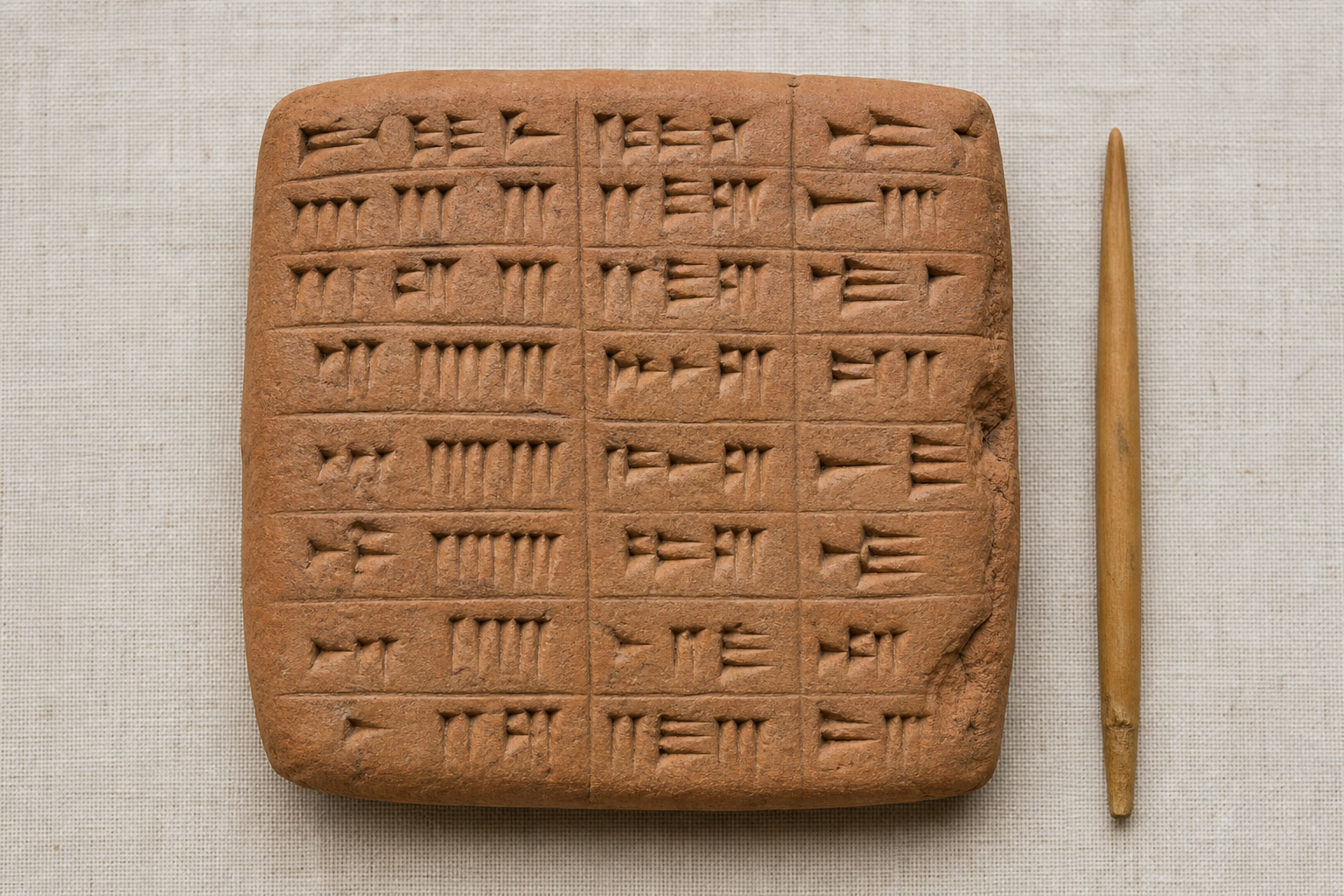
The Sumerians established sixty as the base of their number system, just as a unit of time now contains 60 minutes and each minute contains 60 seconds. Building on the Sumerian foundation, the Babylonians first devised numeral forms of the kind shown below.
Sabir Zhakaw
زارگە · گفتوگۆ
لێدوانەکان٠
٠ لێدوان · ٠ وەڵام
دەسەڵاتەکانی لێدوانەکانت پشکنراون…
هێشتا لێدوان نییە — یەکەم کەس بە کە بۆچوونەکەت بنووسیت.