An Orthographic Note
(The occurrence of the letters and phones ڕ, ر, ڵ, ل in Kurdish.)
The letter (ڕ) has a distinctive form in the right-to-left Kurdish alphabet and is represented here by the IPA code (Ř). In Kurdish it is known as the strong, prolonged ڕ. It is a non-joining letter and a retroflex phone. Its counterpart is (ر), represented here by the IPA code (R), known in Kurdish as the weak or low ر.
According to the phonetic mechanism and ecolinguistic domain of the Central and Southern Kurdish languages, this consonantal phone is naturally produced as the strong ڕ whenever it occurs word-initially. When the phoneme occurs in its natural environmental form within the language’s phonetic mechanism, it displays its assigned code and automatically appears as (Ř), or (ڕ). Together with its corresponding phone (ر), these are two distinct phonemes. Examination of Kurdish lexis and phonetics, and of their phonemic role in morphology, demonstrates this fact.
In the following pairs, the two phonemes (ڕ) and (ر) have different sounds, function as strong phonemic contrasts, and completely change word meaning:
کەر Ker (donkey) — کەڕ Keŕ (deaf)
برین Birîn (wound) — بڕین Biŕîn (to cut)
وەرین Werîn (falling) — وەڕین Weŕîn (barking)
سور Sur (red) — سوڕ Suŕ (secret)
قور Qur (attention) — قوڕ Quŕ (mud)
مەر Mer (perhaps) — مەڕ Meŕ (sheep)
دەر Der (door) — دەڕ Deŕ (female dog)
تورە Ture (literature) — توڕە Tuŕe (angry)
گۆر Gor (like) — گۆڕ Goŕ (grave)
باران Baran (rain) — باڕان Baŕan (goat’s cry)
شۆر Şor (salty) — شۆڕ Şoŕ (agile)
لار Lar (crooked) — لاڕ Laŕ (thin)
ئاور Awir (fire) — ئاوڕ Awiŕ (looking back)
برۆ Biro (eyebrow) — بڕۆ Biŕo (go)
پەری Perî (fairy) — پەڕی Peŕî (flew)
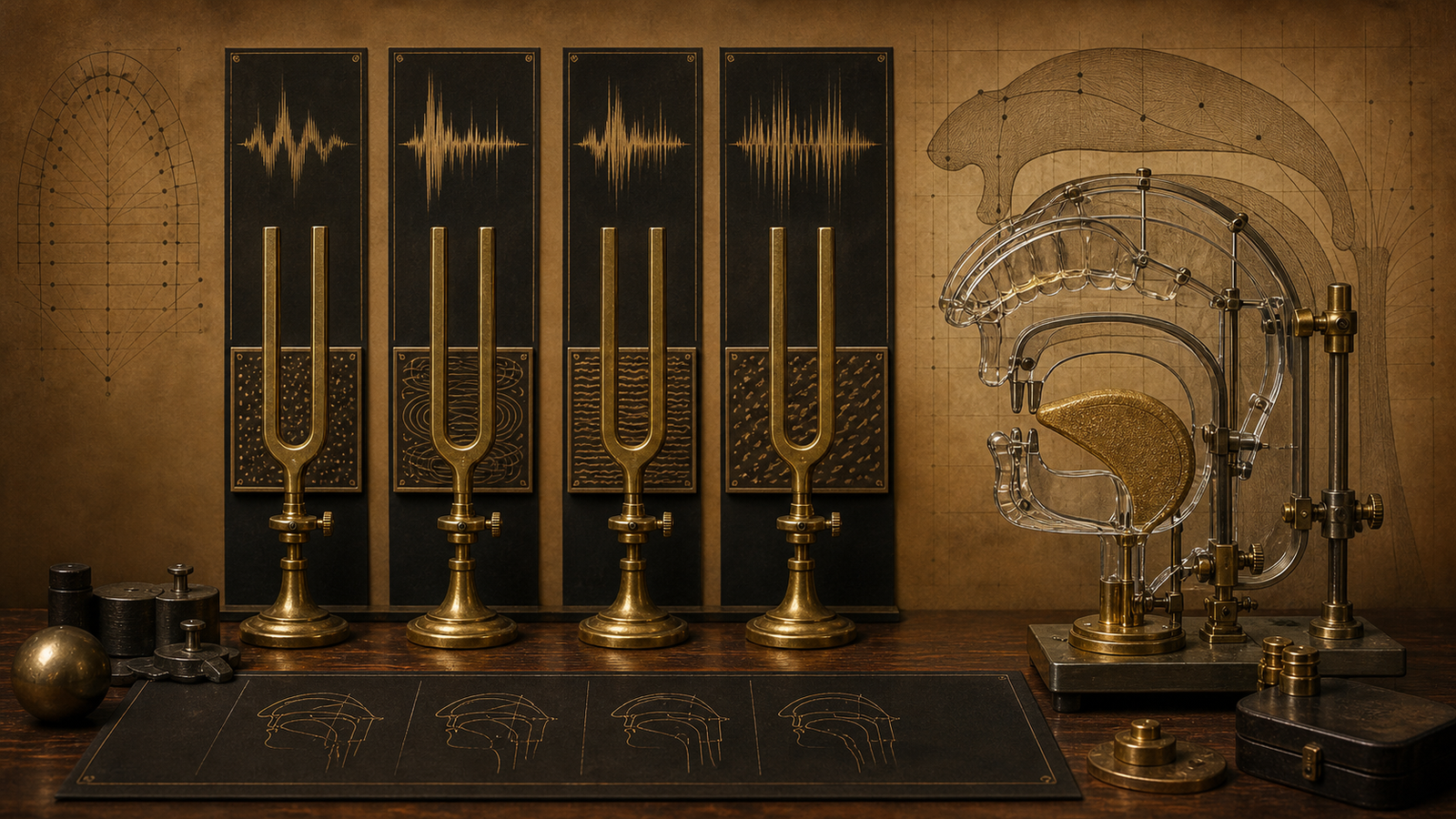
Historically and structurally, these phones often undergo incomplete phonetic assimilation with the consonants (ل، ڵ) across Indo-European languages, including Kurdish. In the Central and Southern Kurdish phonetic systems, (ل), represented here as IPA (L), and (ڵ), represented as IPA (Ł), have lexical and morphological functions. In Kurdish phonology, the production of (ڵ) involves the tongue taking a semi-closed, inclined shape, with its tip fully contacting the retroflex region. For (ل), the tongue tip touches the upper teeth. With (ڕ), the tip moves farther forward, keeps a distance from the rigid upper gum, remains in the middle of the mouth, and vibrates. For (ر), the tongue tip contacts the front gum and air is released. Each has phonemic status in Kurdish production and phonetics and must be distinguished. Examples of the phonemic roles of (ڵ) and (ل) include:
پەلە (haste) — پەڵە (stain)
بەلەک (stem) — بەڵەک (two-coloured)
دال (row) — داڵ (vulture)
کولاو (wood-cutting sickle) — کوڵاو (boiled, cooked)
سۆل (slipper) — سۆڵ (salty)
تۆل (foetus) — تۆڵ (revenge)
کوڵ (boiling water) — کول (blunt)
گوڵ (flower) — گول (leprous)
گۆل (pool) — گۆڵ (male; football goal)
مەلە (swimming) — مەڵە (do not say)
دۆل (child) — دۆڵ (valley)
پەل (bird’s wing) — پەڵ (stone)
قوول (an animal with a docked tail) — قووڵ (depth)
چل (forty) — چڵ (branch).
Examining Kurdish phonological production shows, for example, why dictionaries such as Hanbana Borina unscientifically include forms such as (ڵێڵ، ڵاڵ).
٭ Note: in a group of words these four consonants occur as phones without any phonemic function and do not change meaning. When they are not meaning-changing, they appear according to the ecolinguistic conditions of Kurdish languages; whether realised as (ڕ) and (ل), or as (ڵ) and (ڕ), they make no difference and do not change word meaning. They therefore do not perform a phonemic role.
Source: A Linguistic Inquiry 1
Sabir Zhakaw
Telegram:
@zimannasi
زارگە · گفتوگۆ
لێدوانەکان٠
٠ لێدوان · ٠ وەڵام
دەسەڵاتەکانی لێدوانەکانت پشکنراون…
هێشتا لێدوان نییە — یەکەم کەس بە کە بۆچوونەکەت بنووسیت.